Blog
Cultural and work modalities: opportunities and challenges for real estate

By Ziona Strelitz
Edition 3 – June 2014 Pages 32-35
Tags: workplace design • real estate • architecture
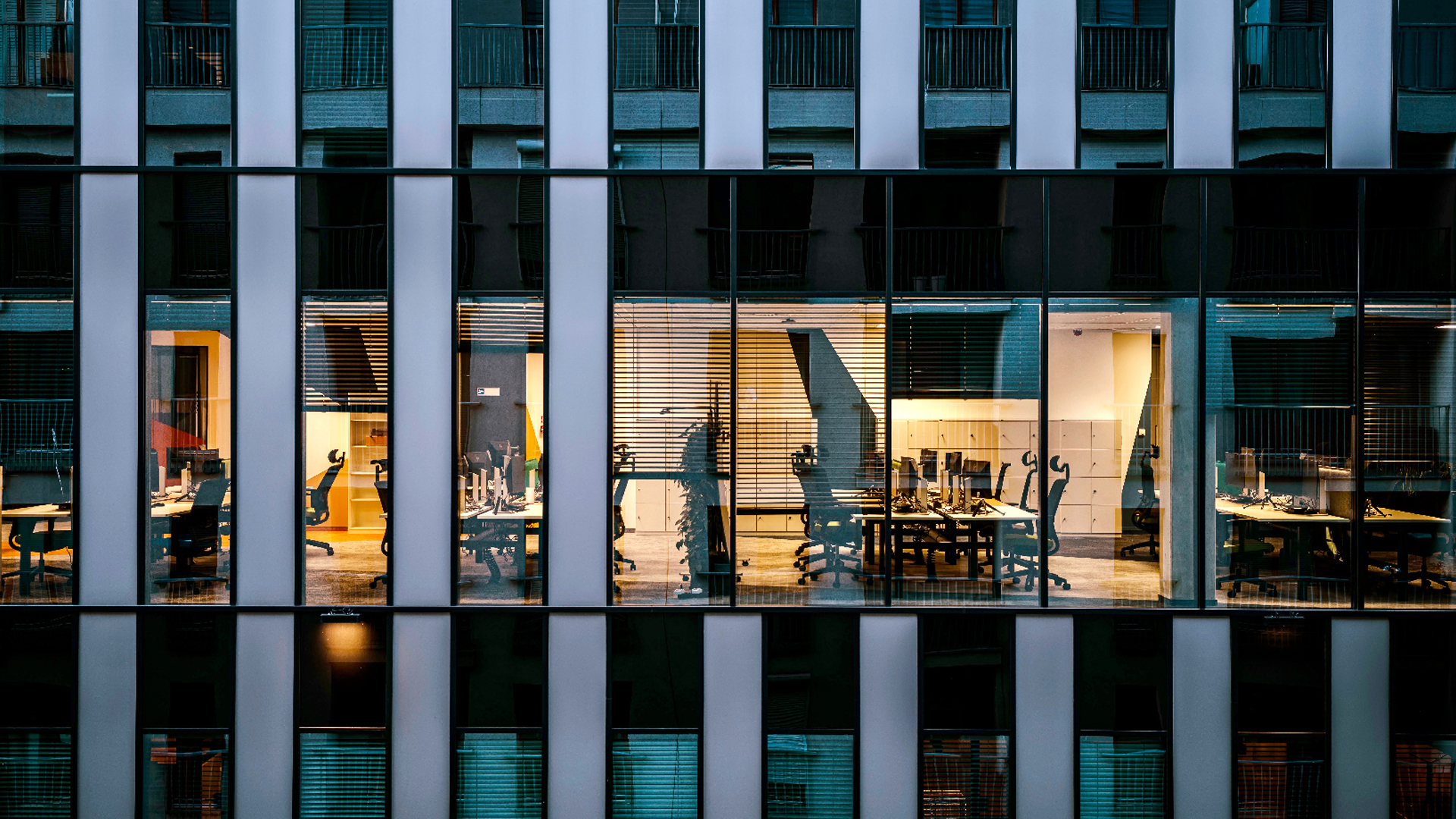
The way workplace is delivered is highly sectoral. Developers build. Landlords own buildings. Architects design them. Agents / realtors lease the space inside. With a reach that is not always acknowledged, furniture manufacturers define the conceptual and physical modules that shape internal landscapes. Interior designers and / or contractors fit them out.
Change managers tell occupants how to use the space. Facilities managers operate it, providing building and corporate services. Typically, this constellation of supply chain activities arrays in a fairly linear sequence, first to last in the order cited, with reference to hard won FM perspectives at the concept and programming stages of new projects still too infrequent. IT, the other key input to users’ actual performance, may be integrated, but is often obliquely positioned relative to this supply cluster.
The object to which all this activity pertains is essentially a bounded physical space – the building or office. It’s matched to a headcount – static or dynamic. It starts with a budget and formally ends with a space and outturn cost. Its delivery is predicated on a set of assumptions about design, content and principles of use that are largely templated and reinforced by the supply chain in conversation with themselves.
The role of representation
Central to the formulation of project propositions is a physical outcome that can be photographed, with the resultant images used as a shorthand of occupier identity, status and ethos. These visuals also serve as valuable currency for the suppliers involved to market their wares.
Facilities and amenities: focus on ‘goodies’
A notable strategy in delivering workplaces that capture industry attention is the inclusion of distinctive interior facilities. These involve both settings for work, and facilities such as gyms to promote work-life balance. Indeed, the trend to activity-based working encompasses scope for a far wider range of treatments than desks and formal meeting rooms ever involved. Today’s provision of settings conceived for breakout, project work, ideation, etc, play to design for visual impact.
The support facilities delivered may not always be as distinctive as climbing walls, brim pools or running tracks, but provisions are intended to be eye-catching and commentworthy. The related trend to workplace consolidation generates the critical mass on single sites to increase the range and quality of non-core business amenities, with the rationale for provision ascribed to their relevance in ‘attracting, retaining and motivating’ employees.
Whilst the economic downturn over recent years has not been mirrored by a let-up in the war for talent, the evidential basis that such workplace infrastructure in fact confers competitive advantage in recruitment, employment and productivity is lacking.
Indeed, ZZA’s research identifies notable counter-trends that challenge this widely repeated supply chain mantra, pointing to new directions in real estate.
Locationally distributed working
The most recognised counter-trend is agile work across a range of locations, instead of, or on a complementary basis to, working in a fixed office or workplace. The indication of this has been evident for many years in the low utilisation rates that many workplace transformation projects have been undertaken to mitigate.
More recent is the increase in alternate settings where people work. Whereas low utilisation in offices was initially attributed to ‘normal’ operational factors like illness and vacation, work at client and customer sites, conferences and business travel, plus a degree of telework in the form of working from home, distributed working is now unarguably a work modality in its own right. This involves a shift in emphasis from ‘work where you are when you’re not in the office?’ to ‘work is wherever you are that works for you’. For some, ‘office’ remains part of the repertoire of places in which they work, even if infrequently. However, for increasing numbers of people, there is no default office as part of the mix of settings in which they work.
Rise of third place workspace
The notable trend is how much locationally distributed work occurs in places other than in people’s homes. ZZA’s international study of third place working focuses on people working in library, coffee bar, business centre and business lounge settings. The meta questions framing this research are: why people work in these places, and why – when they are technologically equipped and culturally entitled to work where they wish, are they not working at home. The data underscores two important cultural drivers for third place working: the importance of a collective setting for its motivational influence on work, and a felt need to ring-fence home as a place for non-work. These factors account for the title of the report: Why Place Still Matters in the Digital Age [1].
Since this study reported, there has been a proliferation of third places that are marketed as work settings. The growth involves a menu of spaces varying in emphasis and business model, from the co-work settings like those of Seats2Meet [2] and The Impact Hub Network, [3] provider-owned ‘instant access’ office space like that of Regus, and bookable and / or pay-for-use space in venues like business centres, stations, and hotels. This evolution has heralded opportunties and catalysed new businesses, including companies like LiquidSpace [4] with its virtual technology platform to access space-for-use in other owners’ venues in hundreds of cities.
Ascendant choice: from real estate to service…
Please login to read the full article
Unlock over 1000 articles, book reviews and more…